Designing for Distinguished Felines: How Kishmere and Mapleton Became My First Clients
Let me introduce you to my two most demanding clients.
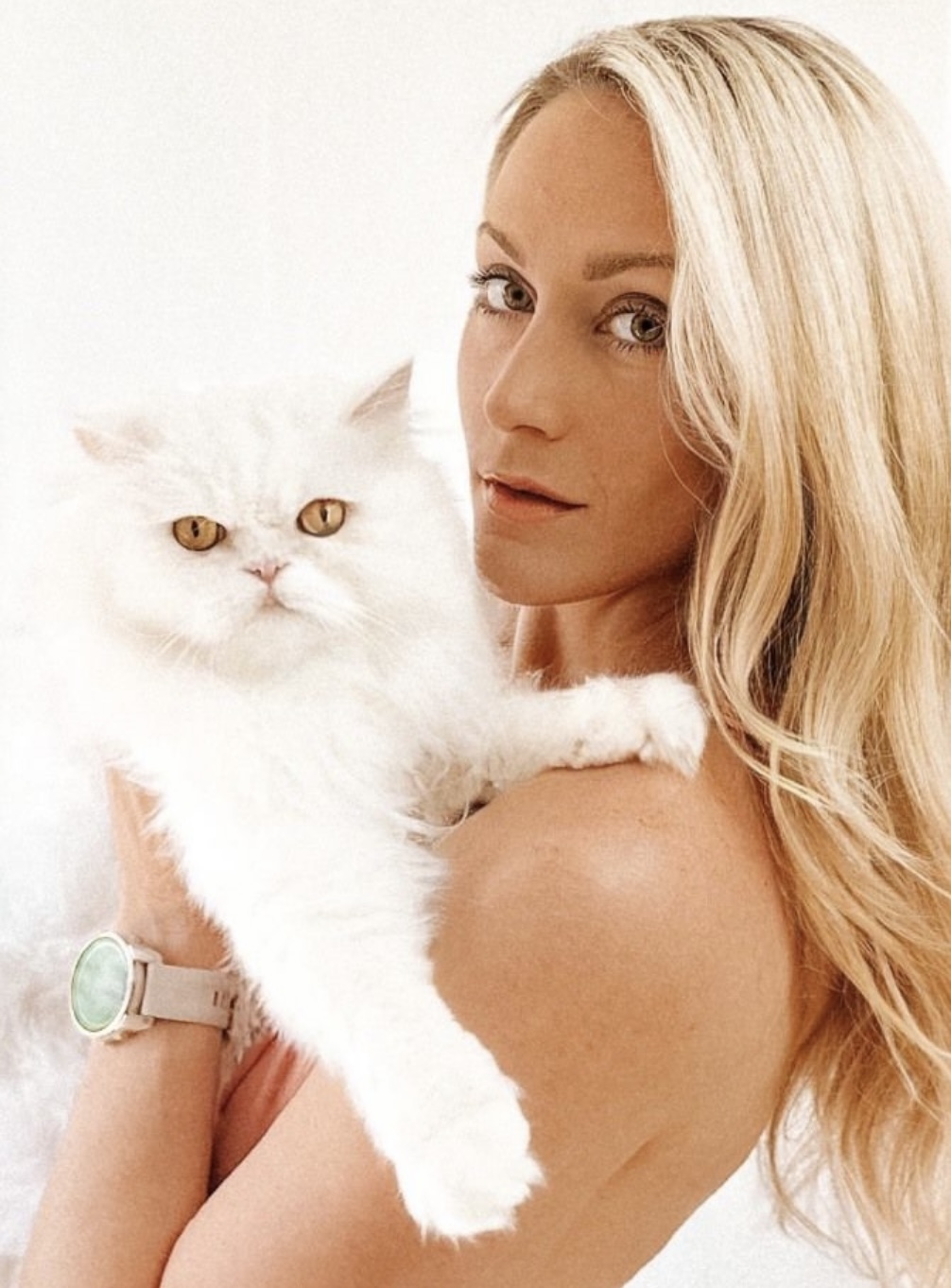
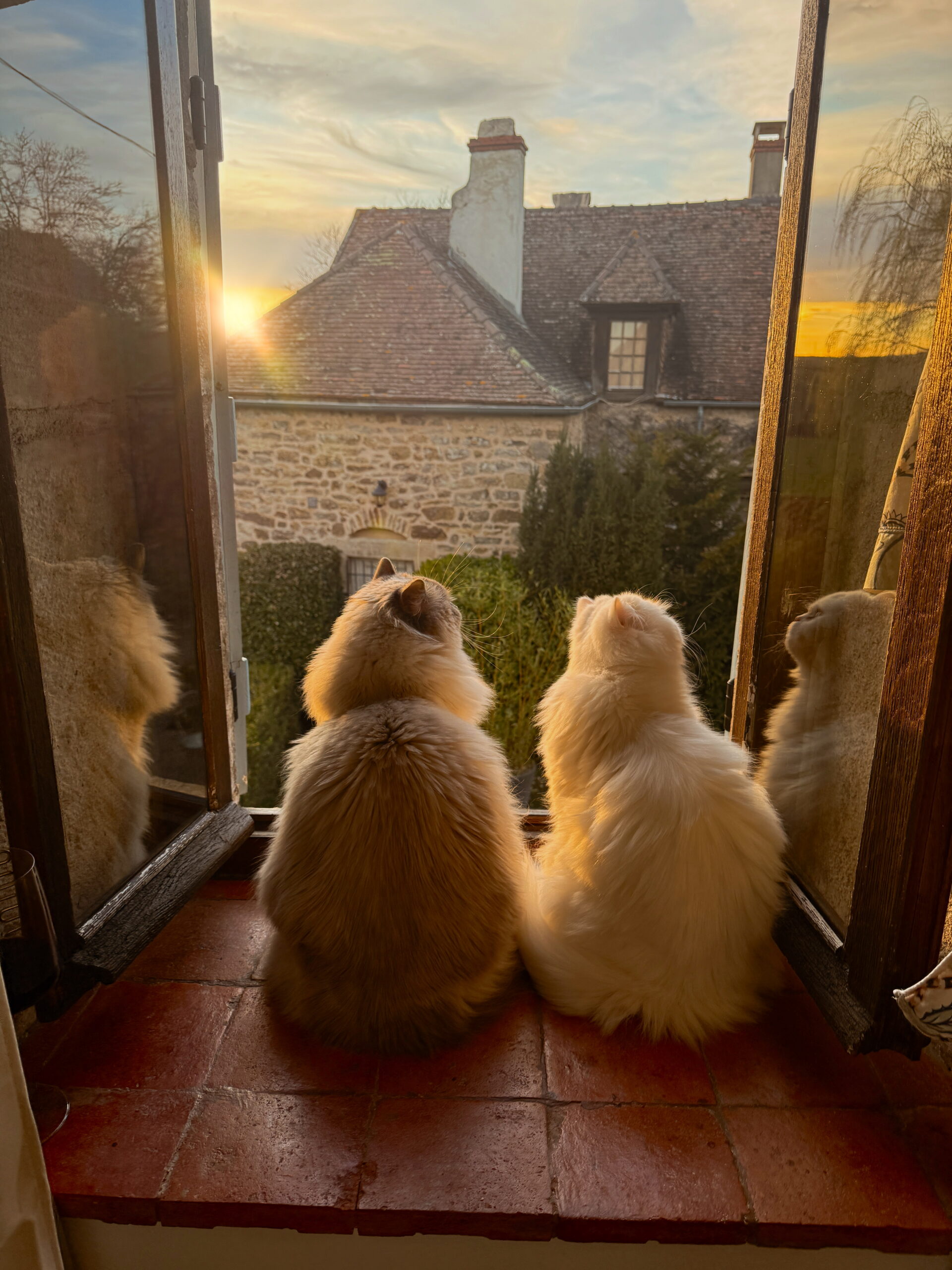
Kishmere is an eight-year-old Persian with a heart murmur, a chronic digestive condition, and the disposition of a European nobleman who has been mildly inconvenienced by modernity. He entered my life before the world records, before the podcast, before any of it, and has since accompanied me across more continents than most people visit in a lifetime. He has slept in five-star hotels and one-star hostels with equal indifference, because Kishmere has always understood something the rest of us are still working out: that comfort is a state of mind, and he intends to be comfortable regardless of the circumstances.
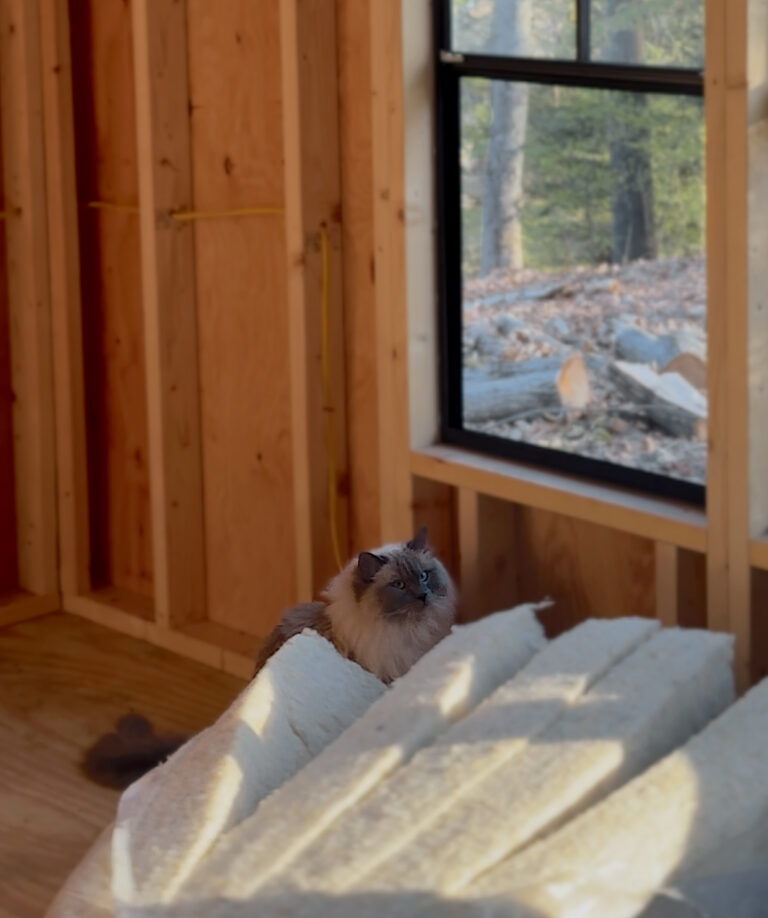
Mapleton arrived two years ago as a Ragdoll kitten with enormous blue eyes and absolutely zero respect for the social hierarchy Kishmere had spent eight years establishing. He is chaos in a beautiful coat. He is also, it turns out, an extraordinarily useful design consultant, because watching him interact with every surface, corner, and elevated plane in a room will tell you more about spatial flow than any architecture textbook.
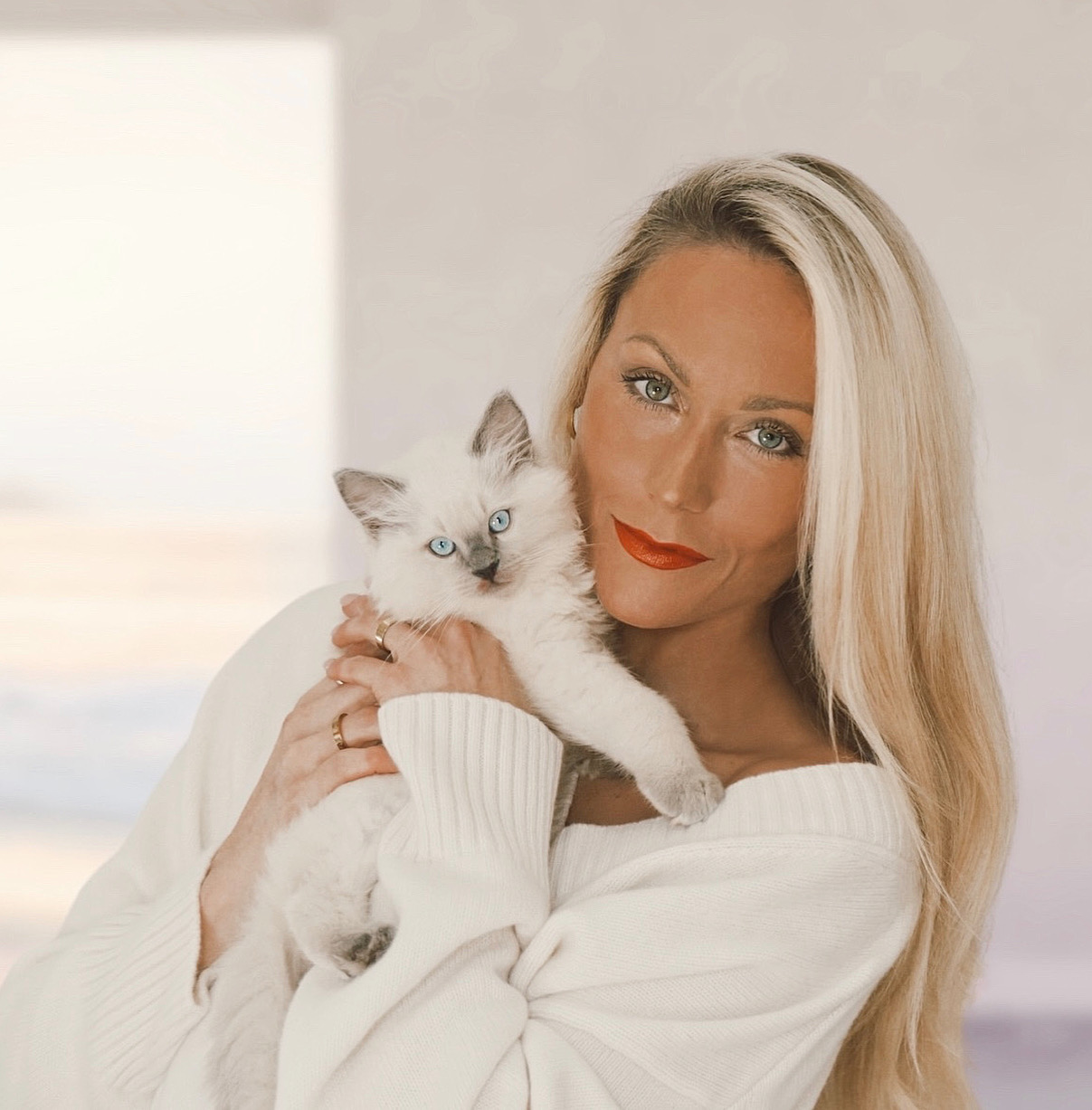
Together, they are the reason I design the way I do.
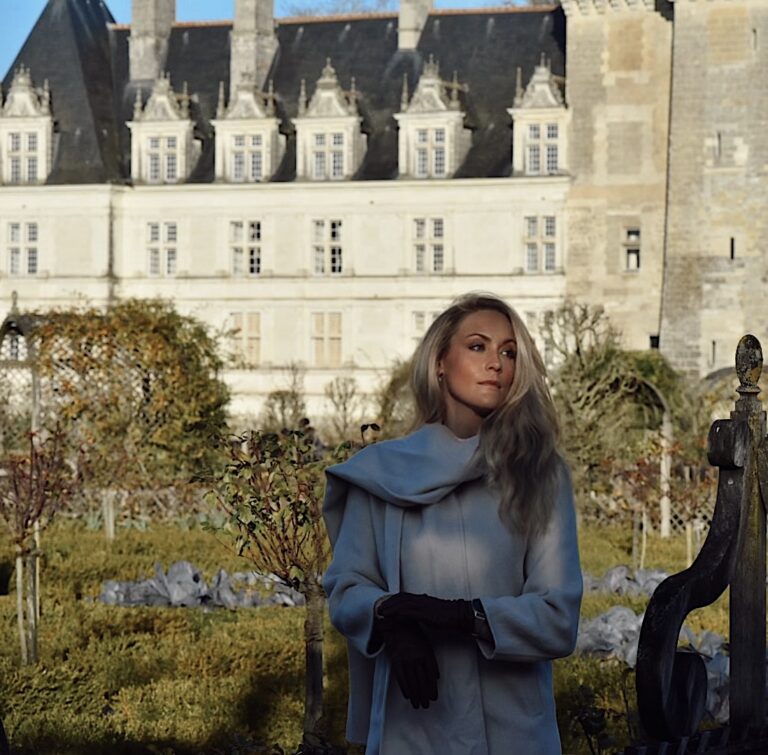
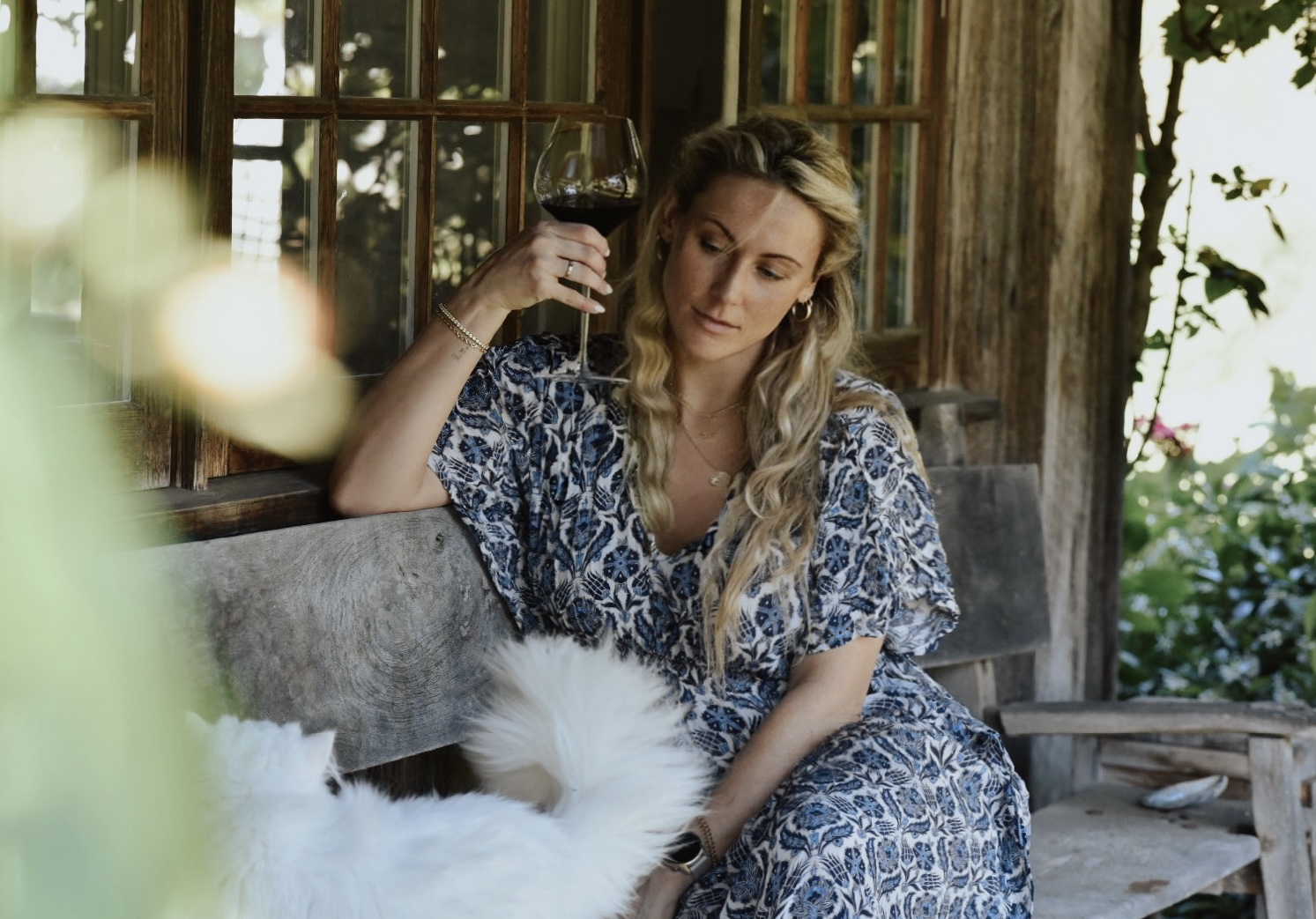
Here is what I noticed after years of living with these two in spaces ranging from a Parisian country house to a storybook Cotswolds cottage: the design industry has made a collective agreement to pretend cats do not exist. Walk into any luxury interior photographed for a magazine and you will find a room designed entirely for the human gaze. Pristine. Considered. And completely incompatible with the reality of sharing your home with a creature who has strong opinions about elevation, texture, warmth, and the precise location of the afternoon sun.
The scratching post gets tucked behind the sofa. The litter box disappears into the bathroom like something to be ashamed of. The cat bed, purchased in a moment of optimism, sits ignored on the floor while the cat occupies the most expensive piece of furniture in the room with the calm authority of someone who has always known it belonged to them.
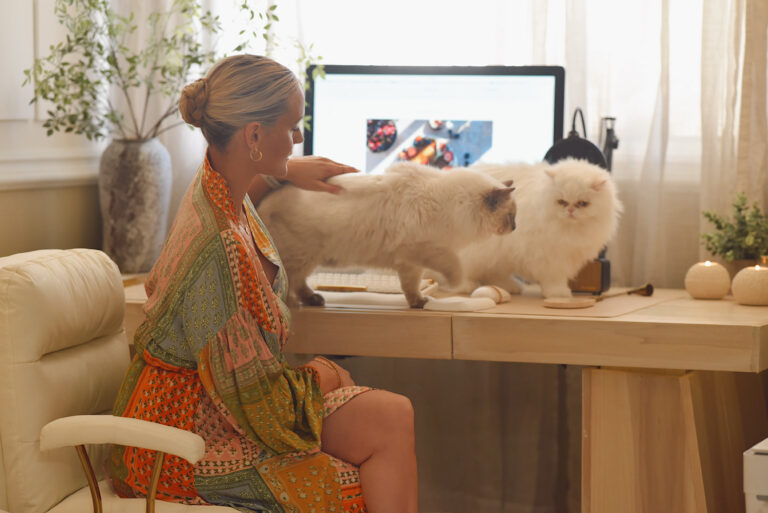
I stopped pretending this was acceptable somewhere around the third time Kishmere claimed my white oak desk as his primary workspace and refused to negotiate.
What Kishmere and Mapleton taught me is that cats do not experience a room the way humans do. They read it vertically. They map it by temperature, by texture, by the quality of light at different hours. Kishmere gravitates toward elevated positions with a clear sightline to the door: he is, at his core, a strategist. Mapleton prefers enclosed warmth, under the bedsheets, a closet, anything that approximates the sensation of being held. Two cats, two completely different spatial relationships, and both of them entirely ignored by conventional furniture design.
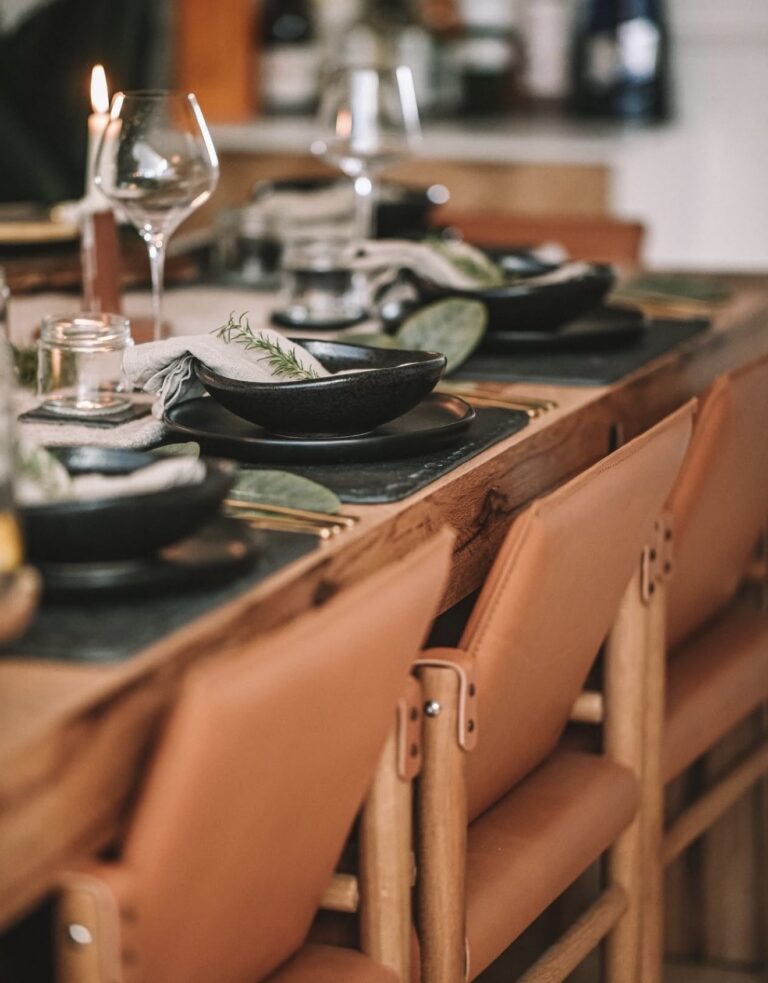
So I started thinking and implementing intricate design modes, made just for my little ones. What that looks like in practice, is furniture that does two things simultaneously and elegantly. A desk that functions as an architectonic statement piece for the human using it, and incorporates an elevated platform or recessed sanctuary that the cat claims as their own without disrupting the visual integrity of the piece. Textiles chosen for how they feel underfoot, both human and feline. Sightlines considered from ground level as well as seated height. Warmth built into the design through material choice rather than added as an accessory.
The goal is a room where the cat is fully accommodated and the human never had to compromise anything to make that happen. Both residents, equal consideration, one considered design.

Mapleton knocked a pen off the desk, watched it fall, and walked away. I chose to interpret this as enthusiasm.
Every piece I build now goes through them first. They are exacting. They are honest. And they have never once told me something looked great just to be polite.
Distinguished clients, both of them. I would not have it any other way.