INSULATION 101
Everything you need to know about what is hidden inside your walls and why it matters more than almost any other decision in a build.
In partnership with Havelock Wool*
Insulation is the layer of a home that most people never think about until they have a new build or renno project where they want to be involved in every aspect. It is hidden inside the walls, the ceiling, and the floors, and yet it is responsible for almost every sensory quality of a space: how warm it feels in winter, how cool it stays in summer, how quiet it is when you close the door, and, increasingly important to those of us paying attention, what you (and your furry children!) are actually breathing while you live inside of it.
When I began building Le Petit Chateau, I refused to treat insulation as an afterthought. The structure of the studio was being designed for the next decade of my creative work, and every layer of that structure, from the Roman clay on the walls to the wool inside of them, needed to align with the philosophy guiding the entire project: honest materials, considered design, and a non-negotiable commitment to my health, both of my cats health, and the integrity of the space.
That is how I found Havelock Wool, and why I would be reluctant to insulate another building with anything else.
01
Why Wool? Why Not Fiberglass?
The default insulation in nearly every American home is fiberglass, and the more I learned about it, the more I refused to live with it inside my walls. Fiberglass is composed of microscopic glass fibers and chemical binders that can become airborne over time, particularly when disturbed during renovation or settling. It can off-gas formaldehyde. It requires protective equipment to install. And once it is inside your walls, it is there for the lifetime of the building, quietly contributing to indoor air that you breathe every day. Listen, as a hypochondriac, it’s hard for me to even talk about this – knowing most if not all of the places I’ve lived throughout my life, have been insulated with fiberglass.
I considered Rockwool, but when my brother warned me of its effects – I had to Google it. According to the National Institute of Health, it has been known to cause a schlep of health issues in rats. I didn’t want to take my chances considering my cats, Mapleton and Kishmere, are usually with me 24/7.
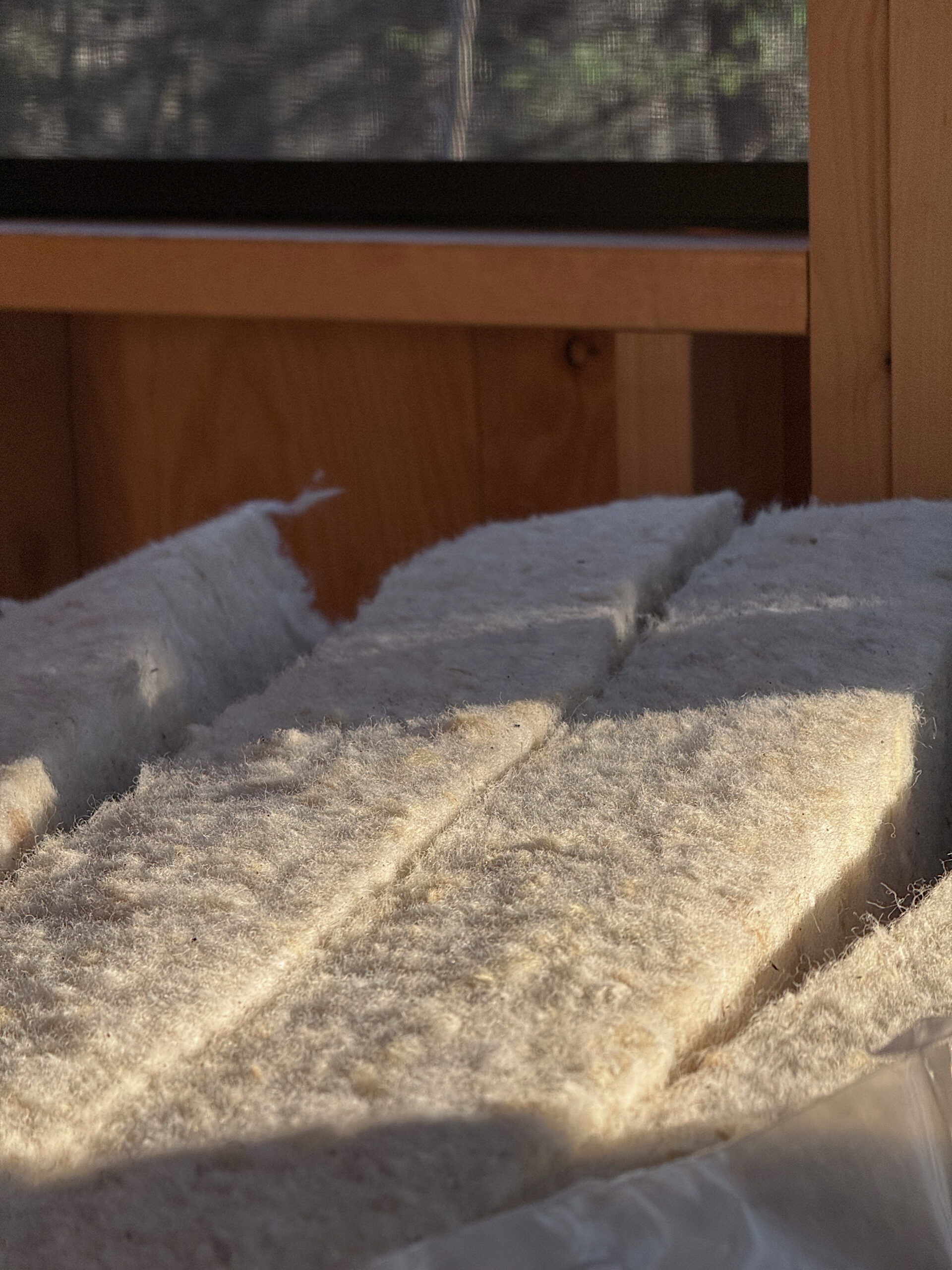
Sheep wool does the opposite of all of this. It is naturally fire-resistant without added chemicals. It actively purifies indoor air by absorbing formaldehyde and other volatile organic compounds. It requires no protective gear to install. And critically, it is one of the only insulation materials on the market that is both safe to touch with your bare hands and biodegradable at the end of its life. To learn more, here’s a great article by the National Institute of Health on sheep wool properties (of course I did my research ;)).
When you are building a space you intend to record a podcast in, work in, and breathe inside of for years, the material inside your walls matters as much as anything you put on top of them.
02
Sustainably Harvested
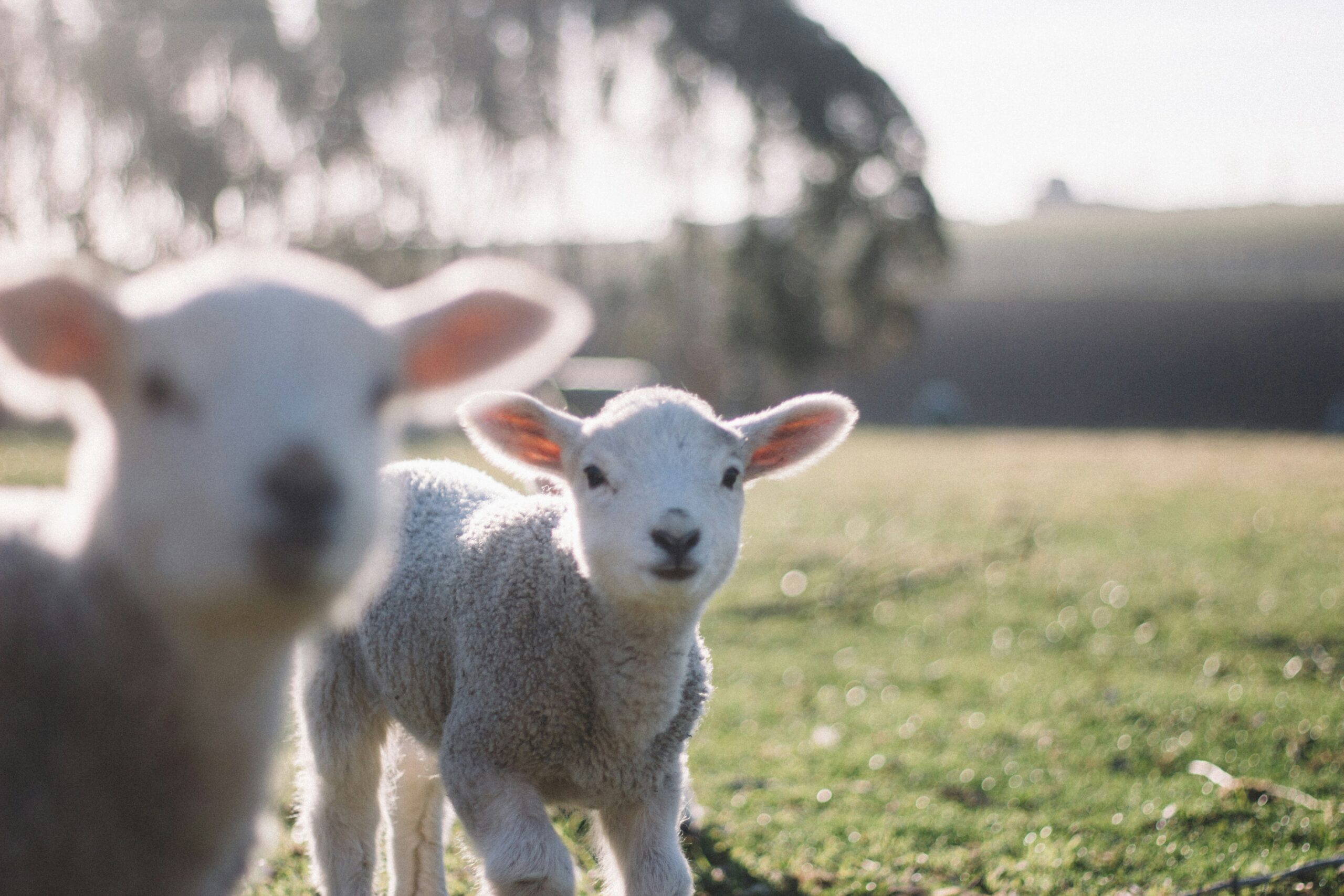
Havelock Wool sources their wool exclusively from sheep in New Zealand, which is not a detail to gloss over. New Zealand wool is among the finest in the world, and the country has a centuries-long agricultural relationship with sheep farming that prioritizes animal welfare and land stewardship. The wool is shorn annually as part of the sheep’s natural lifecycle, washed with minimal processing, and shipped to the United States with a carbon footprint that is still a fraction of the petroleum-derived insulation alternatives.
There is something amazing about insulating a home in Connecticut with wool that grew on a sheep in the Southern Hemisphere. It is the kind of supply chain that designers and builders rarely think about, and one that makes a meaningful difference when you do.
You can read more about Havelock’s sourcing philosophy at havelockwool.com/pages/why-wool.
03
Cat Safety
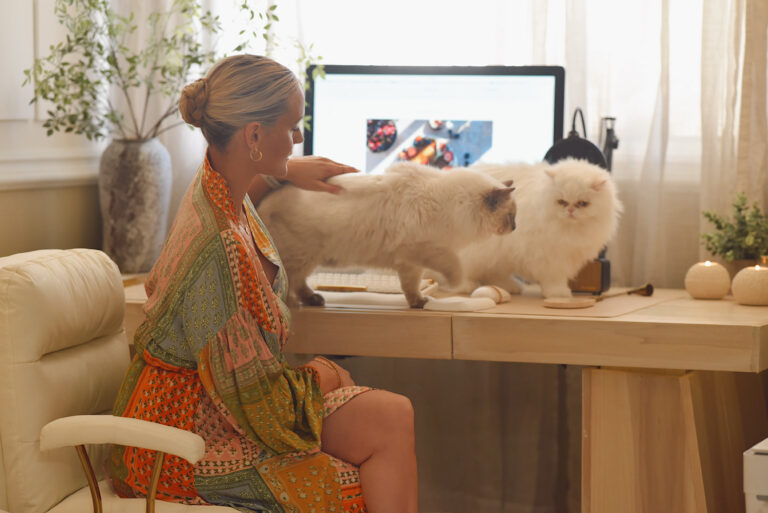
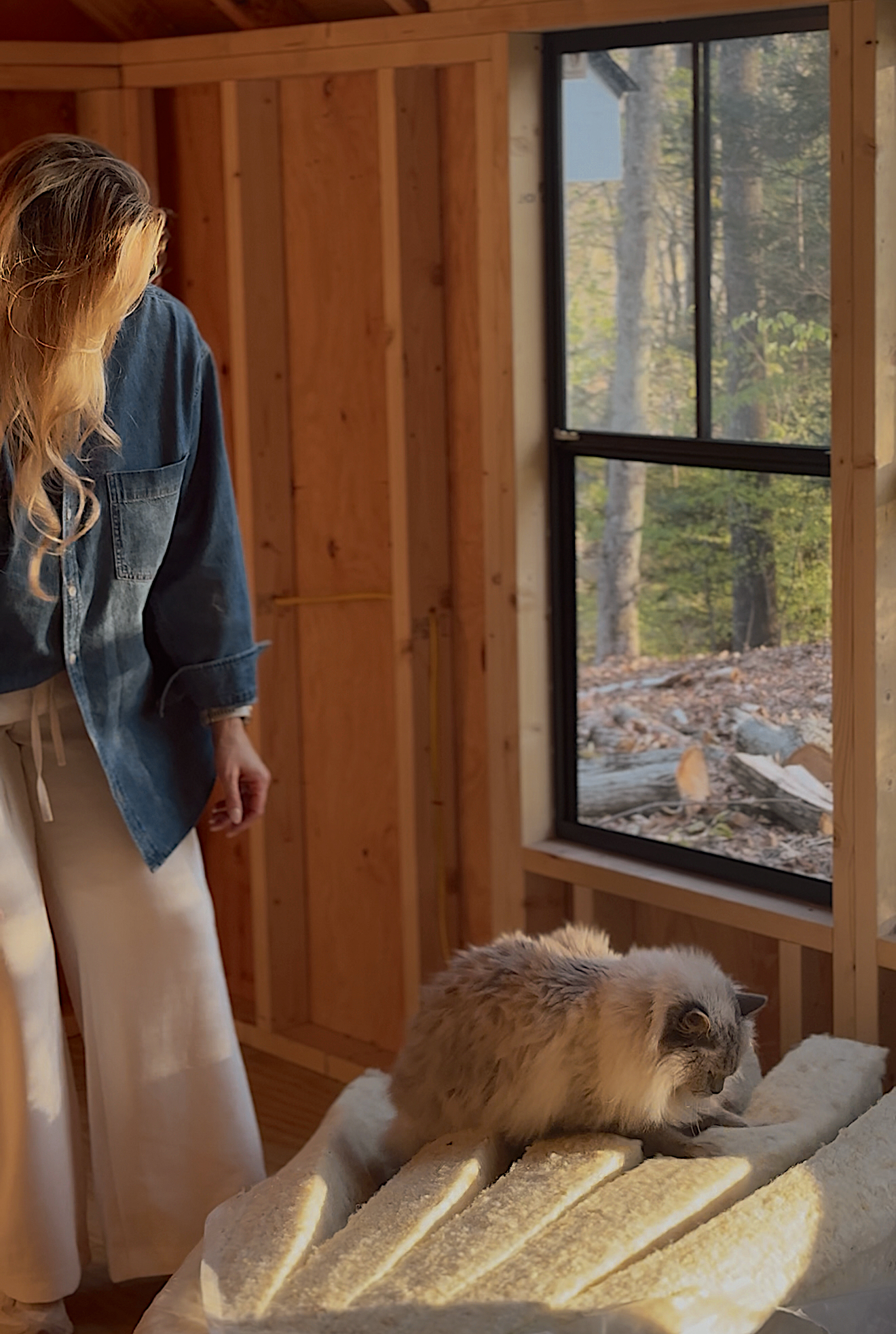
This was, without exaggeration, one of the top three reasons I chose Havelock Wool over every other option on the market. I share my office (and of course home) with two cats, Kishmere and Mapleton, and Kishmere lives with both a heart murmur and chronic IBD, which means his respiratory and digestive systems are significantly more sensitive than the average cat’s. Fiberglass particles released into indoor air over time can be inhaled by humans and pets alike, and for an animal with compromised lung function, that is not a risk I was willing to take.
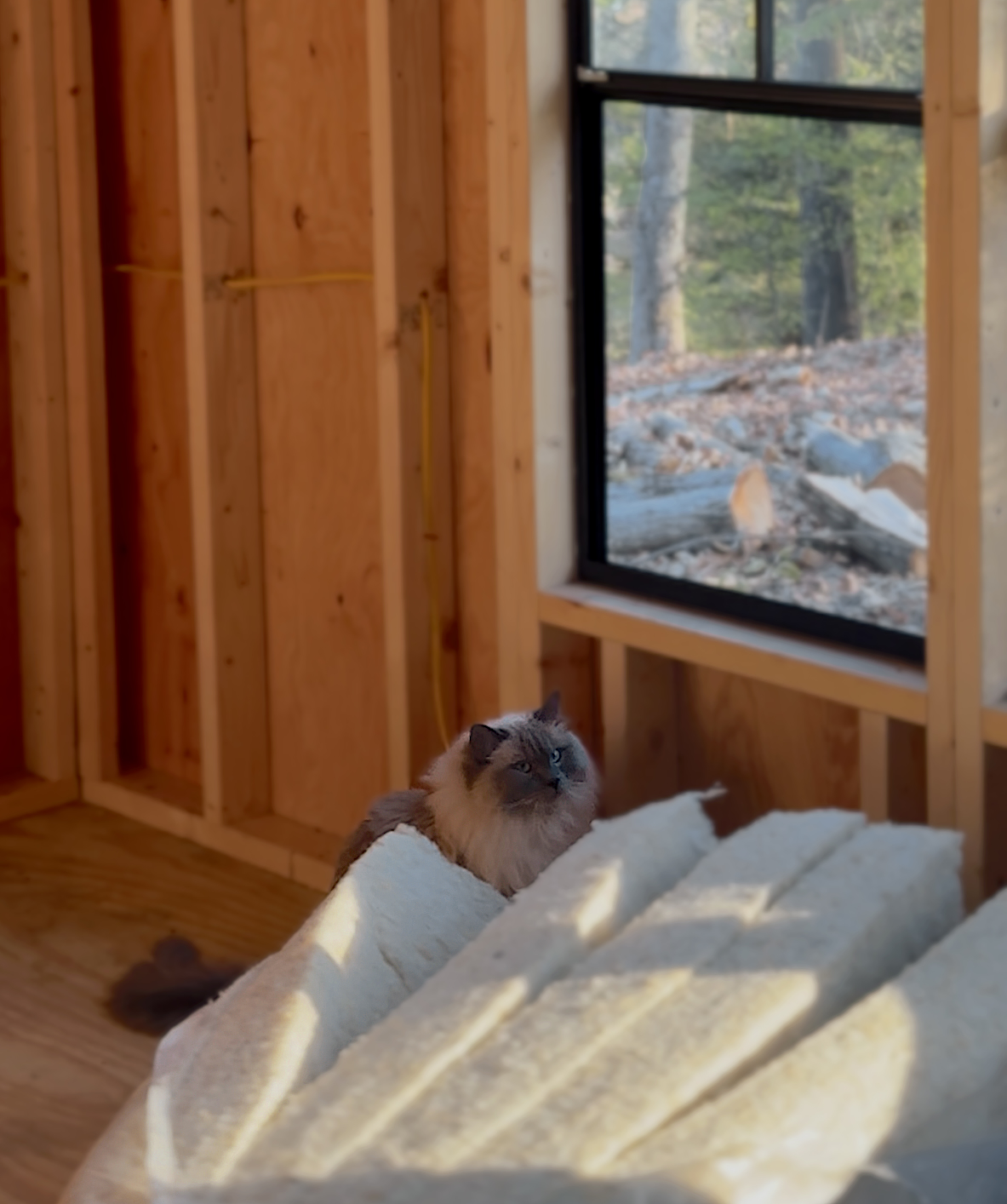
Wool is completely safe for cats to be around during installation, after installation, and for the entire lifetime of the building (source). There is nothing inside the walls that can harm them if they brush against an exposed cavity during construction, no chemical off-gassing affecting the air they breathe every day, and no microscopic fibers entering their respiratory system from settled dust. Kishmere and Mapleton walked through the construction zone constantly during the insulation phase, and I never once worried about what they might inhale (that says a lot coming from a helicopter cat mom).
For anyone designing a home with animals as full residents, which is the only way I design, this is non-negotiable.
04
Acoustic Performance
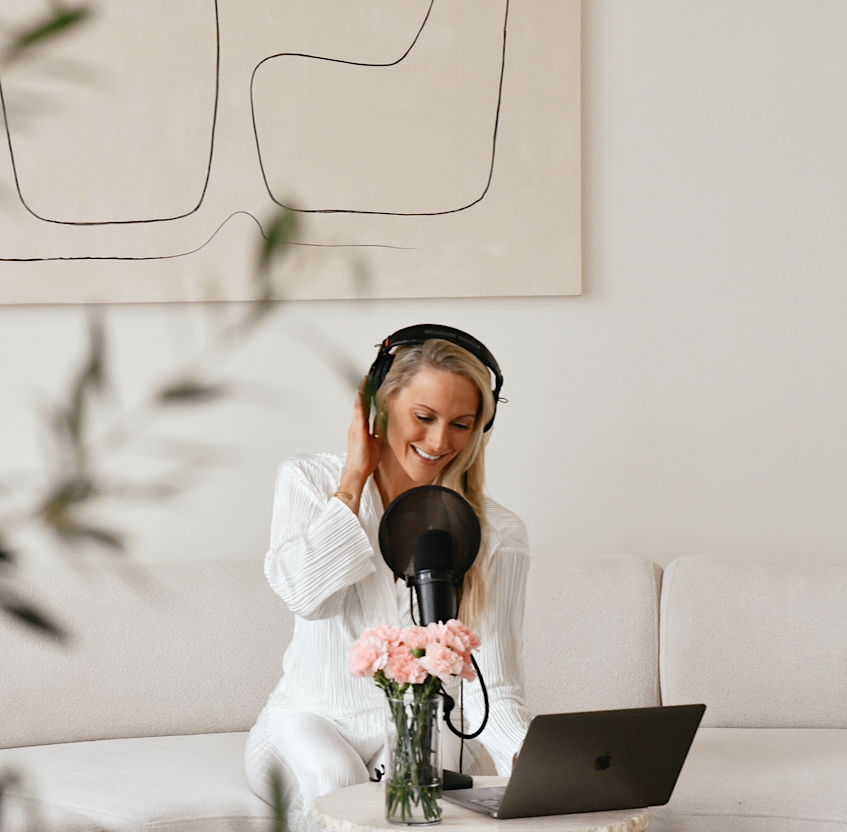
This is where wool becomes essential rather than optional for me. I co-host Against The Odds, a podcast on Audible with a monthly listenership in the millions, and the audio quality of every episode I record is directly affected by the acoustic environment of the space I am sitting in. A room with poor insulation creates echo, reverb, and ambient noise bleed that no microphone can fully correct in post-production.
Wool absorbs sound at a fundamentally different rate than fiberglass or foam. The natural crimp and density of the fibers trap sound waves rather than reflecting them, which means a room insulated with wool is quieter the moment you walk into it. You can feel the difference. So can a microphone.
05
What I Used in Le Petit Chateau and Why
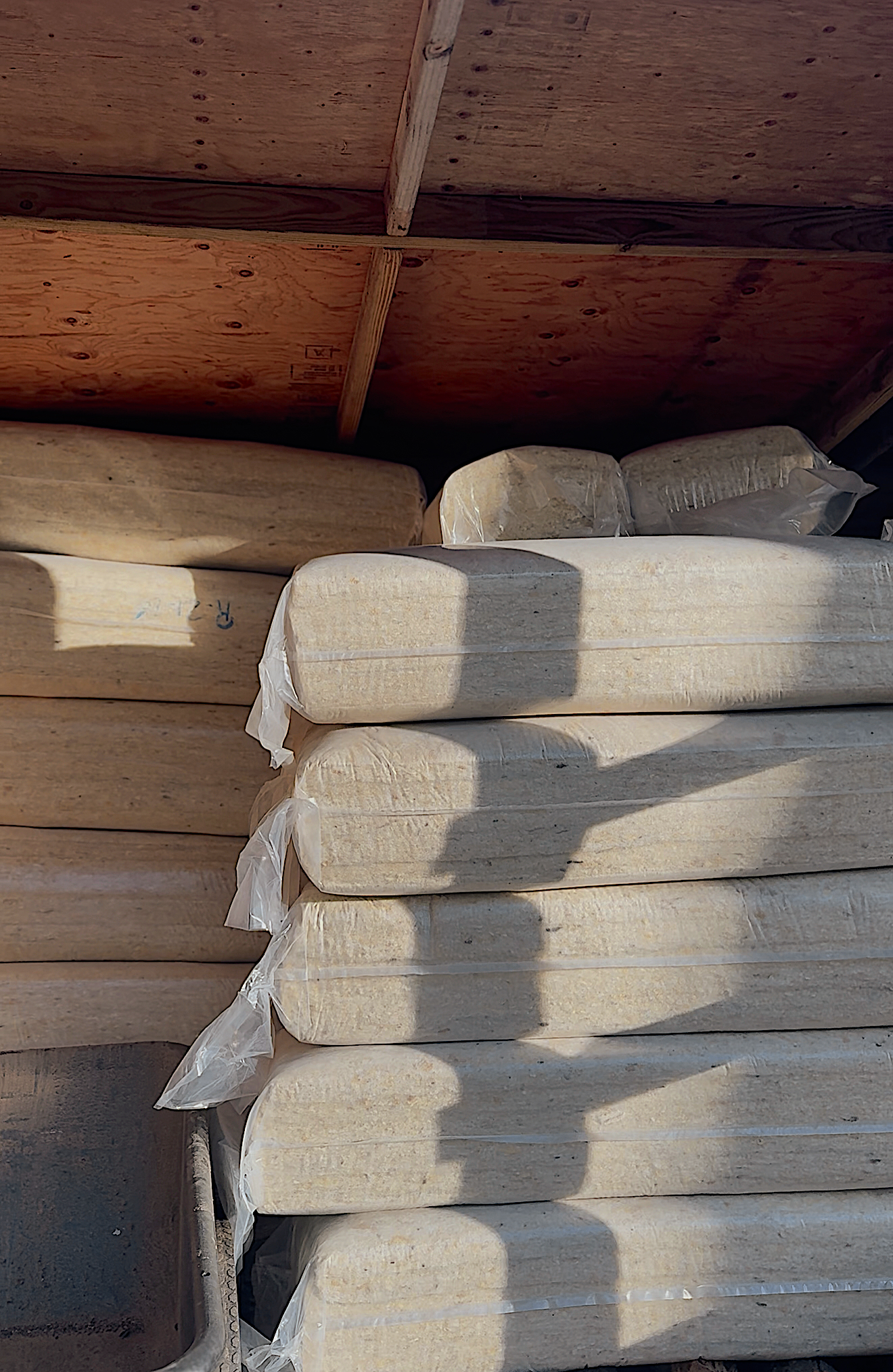
Havelock Wool PRO Batt Insulation, R22, 16″ on center.
I chose the PRO Batt as the primary wall and ceiling insulation for three reasons. First, R22 is the optimal thermal value for the climate zone Le Petit Chateau is built in, where Connecticut winters require serious thermal performance and summer humidity requires breathable material that will not trap moisture inside the wall cavity. Second, the 16-inch on center sizing matched my stud spacing exactly, which meant zero waste and a friction-fit installation that required no adhesives, no staples, and no chemical sealants. Third, the density of the PRO Batt over the standard batt provides better acoustic absorption, which mattered for a space that doubles as a podcast recording environment.
Havelock Wool Acoustics Air and Sound Panel, 2 inches.
The acoustic panels are not insulation in the structural sense. They are targeted sound treatment for the interior surfaces of the studio, designed to absorb reflected sound waves that would otherwise create echo and reverb in the room. I chose the 2-inch depth because it absorbs across a broader frequency range than the 1-inch panels, which is essential when you are recording human voices and want clarity across both lower and higher tonal ranges. The full integration of these panels into the architecture of the studio is its own design conversation, which I will be covering in another blog.
Havelock Wool Window and Door Insulation.
This is the product almost no one talks about and almost everyone forgets, and it is the difference between a well-insulated building and a properly insulated building. The gaps around windows and door frames are the most common source of air infiltration in any structure. Sealing them with wool rather than expanding spray foam means I get the same air-sealing performance without introducing chemical off-gassing into the cavity. For a space designed around clean air and quiet, this product was a non-negotiable inclusion.
06
Installation, Even for a Novice
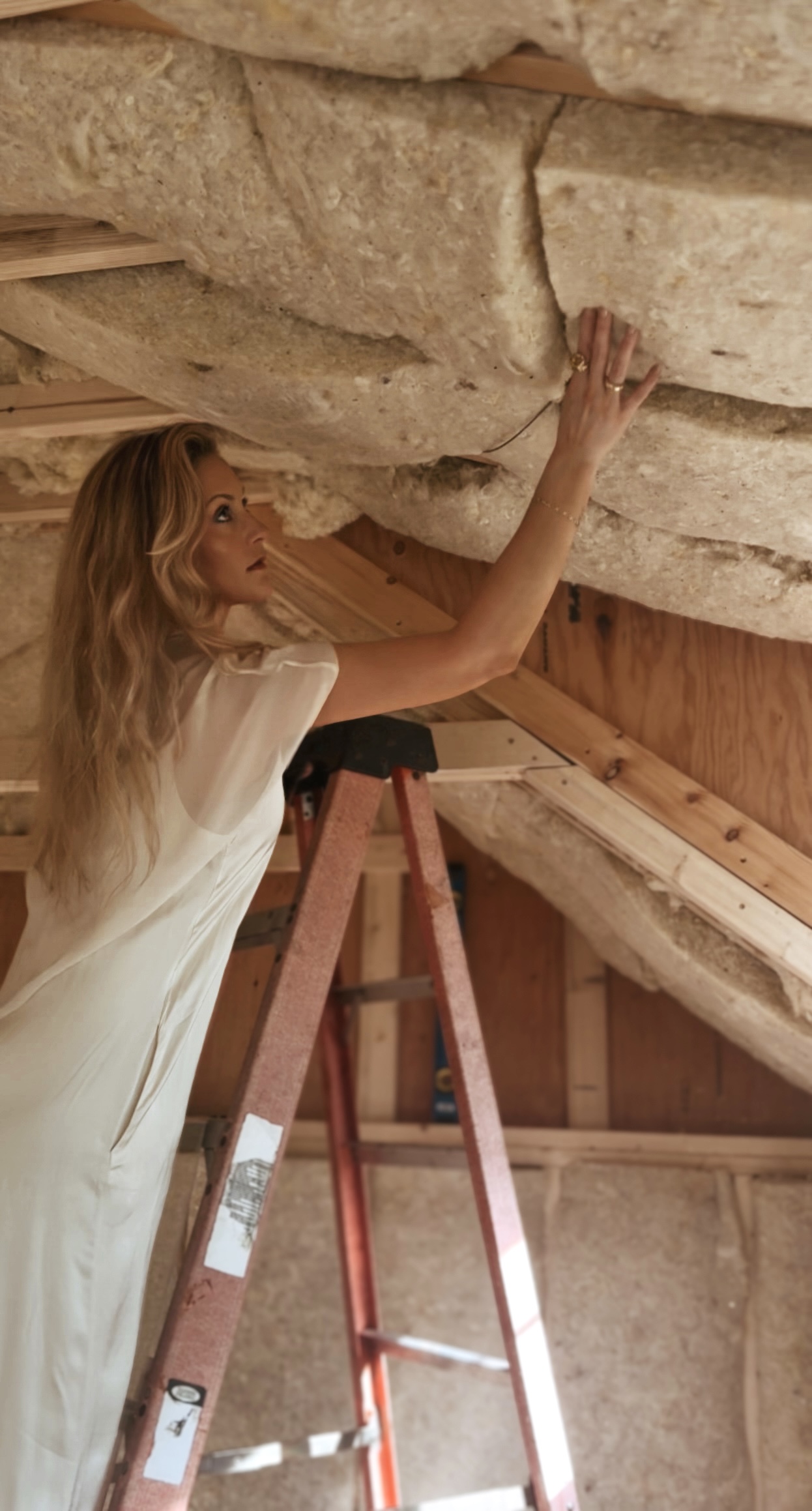
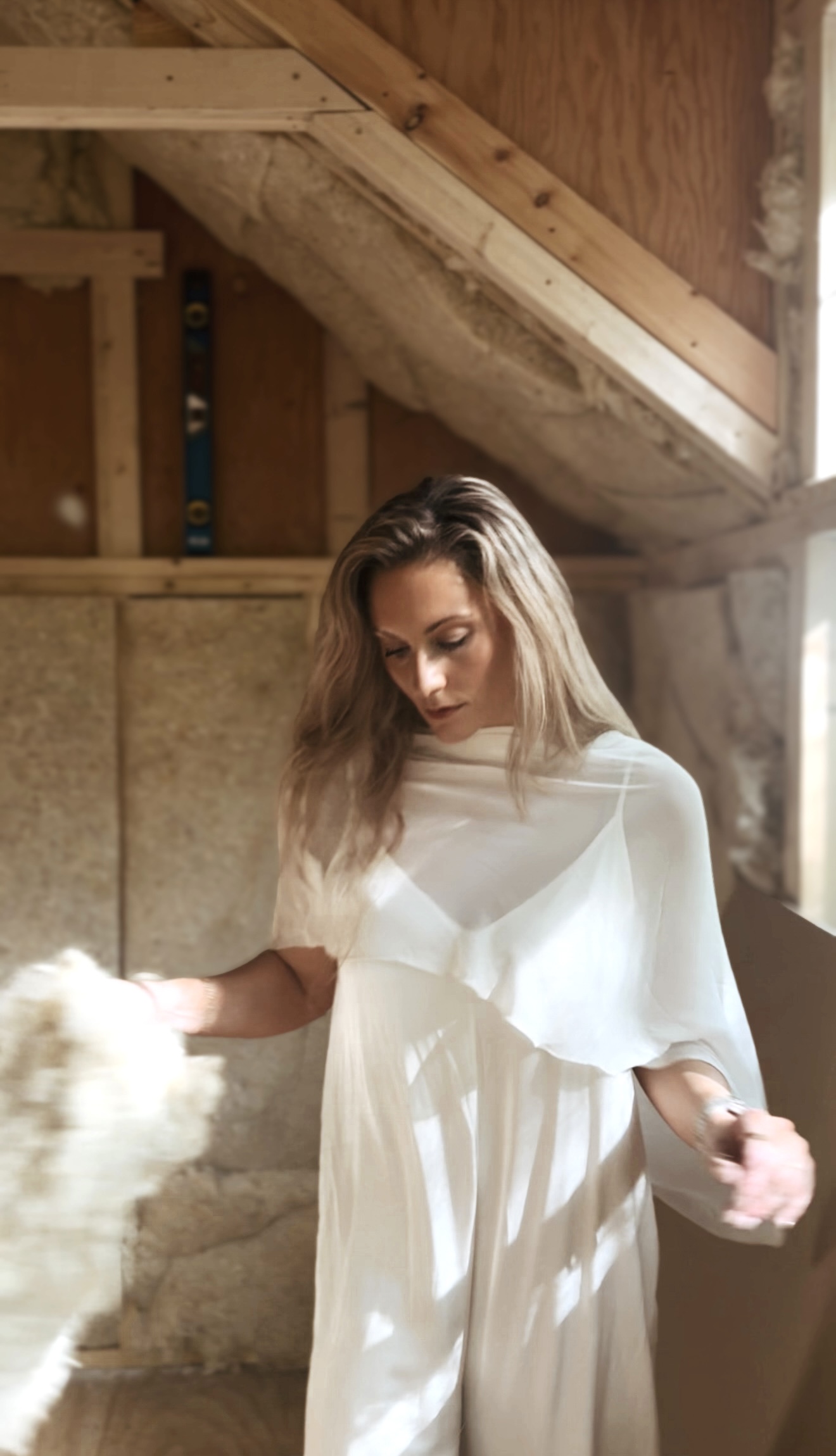
One of the qualities of Havelock Wool that genuinely surprised me is how installation-friendly it is for someone without formal construction training. The batts are designed to friction-fit between standard 16-inch on center stud bays without any adhesive, fasteners, or netting in the wall cavities themselves.
For the ceiling, where gravity becomes a factor, I used 24-inch insulation supports to hold the batts in place, just to be safe. If you prefer netting, insulation-safe netting also works well for ceiling applications and adds a layer of permanent support.
The wool does not itch. It does not require a respirator. It does not require gloves. I installed most of it in regular clothes, and if I needed to break up the batts, it was as easy as just tearing it apart – super easy!
07
What is Next
The acoustic paneling deserves its own conversation entirely, because designing a space that is acoustically optimized for podcast recording while remaining visually consistent with the French Organic Modern aesthetic of the rest of the studio was a project in itself. That blog is coming soon, and it will cover everything from panel placement to the architectural integration of the wool into the wall design itself.
For now, if you are building, renovating, or simply rethinking what is inside the walls of the space you already live in, start at havelockwool.com. Insulation is one of the few decisions in a home that you make once and live with forever. Make the one that makes sense for your lungs, your ears, and your conscience.
*I received this product for free from Havelock Wool for a promotional partnership on Instagram. While I was not required to post a review on the blog, all thoughts and opinions shared here are entirely my own.